Introduction
Cold chain compliance is a critical requirement in Singapore for industries such as food & beverage, healthcare, pharmaceuticals, and biotechnology. Regulatory bodies like the Singapore Food Agency (SFA) and Health Sciences Authority (HSA) mandate strict temperature control and proper record-keeping to ensure product safety and quality.
With increasing regulatory scrutiny and rising operational costs, many businesses are turning to Internet of Things (IoT) solutions to automate temperature monitoring, reduce human error, and maintain compliance more efficiently.
Why Cold Chain Compliance Matters in Singapore
Singapore’s regulatory framework places strong emphasis on:
- Continuous temperature monitoring
- Accurate and tamper-proof records
- Immediate response to temperature excursions
- Audit-ready documentation
Manual temperature checks or standalone data loggers often fall short due to missed readings, delayed response to failures, incomplete logs, and high manpower dependency.
How IoT Improves Cold Chain Monitoring
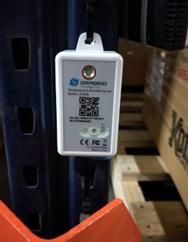

IoT-based cold chain solutions use connected sensors to continuously track temperature across cold rooms, freezers, chillers, and refrigerated transport.
Key benefits include:
1. Real-time temperature visibility
IoT sensors provide 24/7 monitoring, ensuring deviations are detected instantly.
2. Automated alerts and escalation
Alerts are sent via SMS, email, or mobile apps when thresholds are exceeded.
3. Centralised data and reporting
Temperature data is stored securely in the cloud for compliance reporting, audits, and trend analysis.
4. Reduced compliance risk
Automating monitoring and record-keeping reduces regulatory risk significantly.
Meeting Singapore’s Cold Chain Standards with IoT
Modern IoT platforms support compliance by providing time-stamped logs, customisable reports, long-term data retention, and audit trails.
For businesses looking to replace manual logs, using an IoT-enabled temperature data logger integrated with a cloud platform offers a scalable solution.
Use Cases Across Industries
IoT cold chain monitoring is widely adopted across:
- Food services and cold storage warehouses
- Hospitals and laboratories
- Pharmaceutical and biotech companies
- Logistics and distribution providers
Conclusion
As compliance standards tighten in Singapore, manual processes are no longer sustainable. IoT-enabled cold chain monitoring provides real-time visibility, automated compliance reporting, and operational efficiency.

Using IoT for Cold Chain Compliance and Standards in Singapore